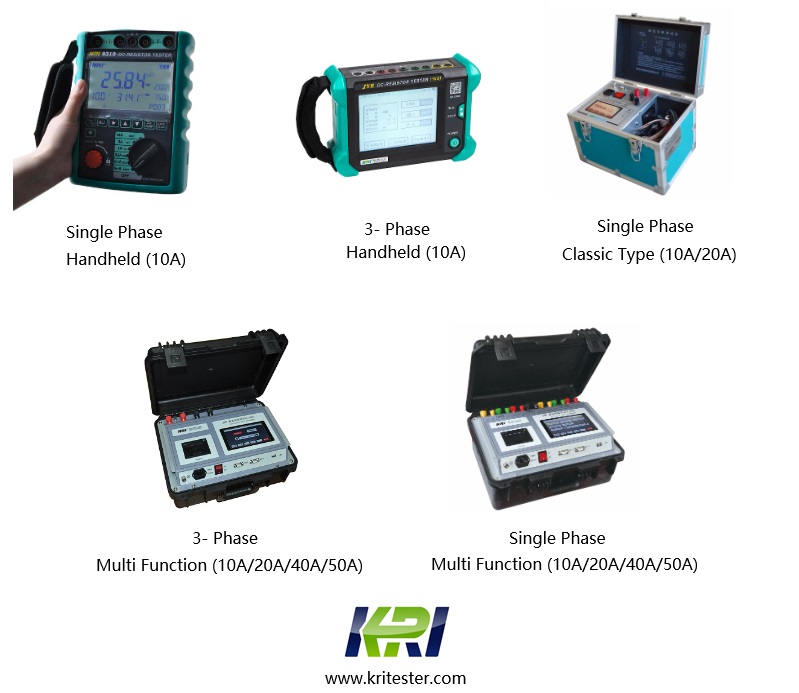
Highly Sensitive Diagnostic Tool: SFRA is a non-destructive, offline diagnostic technique. By measuring the transfer function of transformer windings over a specific frequency range, it sensitively captures changes in inductance and capacitance parameters caused by mechanical shifts, electrical faults, or aging.
Impact of Faults on Frequency Response: Winding short circuits (including turn-to-turn or disc-to-disc) directly alter the inductance distribution and capacitance of the winding. Since the transformer winding acts as a complex $L-C$ network, minor variations in these parameters cause shifts in the gain and phase of the frequency response curve.
Low-Frequency Region (typically < 2 kHz): In this region, the response is primarily governed by the core and main winding inductance. Short-circuited turns significantly reduce the effective inductance, causing a shift in resonance frequencies (typically toward higher frequencies), making this a critical area for identifying short-circuit faults.
Mid-Frequency Region (typically 2 kHz – 100 kHz): This band reflects mutual coupling and leakage reactance characteristics between windings. Disc-to-disc short circuits distort the resonant peaks because the fault alters the magnetic flux distribution and mutual inductance, breaking the original impedance balance and causing curve distortion.
High-Frequency Region (typically > 100 kHz): At high frequencies, distributed parameters—particularly stray capacitance to ground and between branches—become dominant. Localized winding deformation or insulation failure changes these stray capacitances, further modifying the magnitude of the impedance.
The core value of SFRA lies in comparative analysis. By comparing test results with "fingerprint" data (factory baselines), sister phase data, or historical records, even minor short circuits invisible to DC resistance or turns ratio tests can be effectively detected. Therefore, performing SFRA after through-faults, major system disturbances, or transportation is indispensable for identifying potential defects and preventing catastrophic failures caused by premature re-energization.
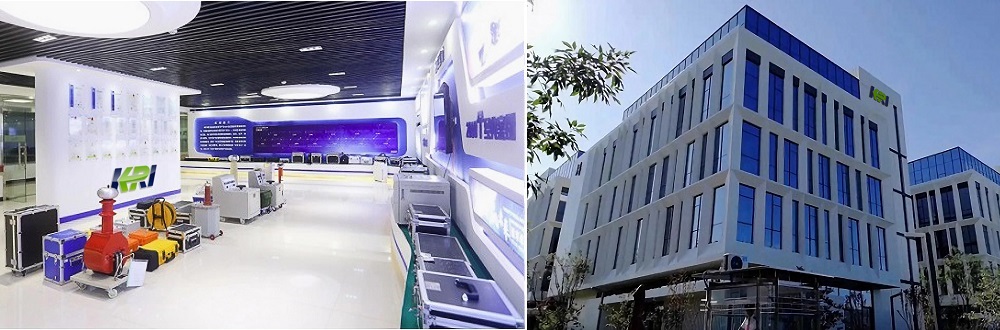
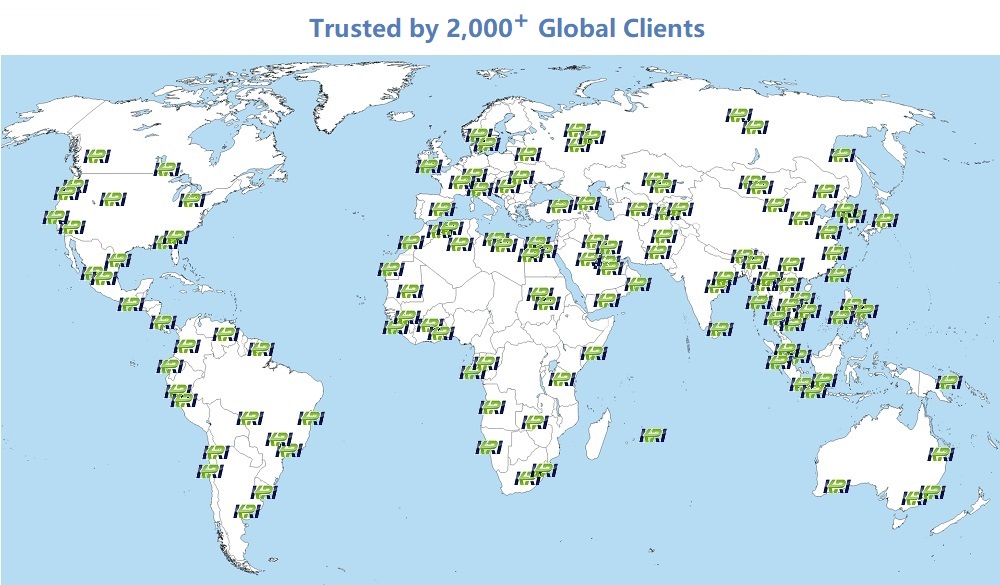
Kingrun Transformer Instrument Co.,Ltd.
Kingrun Series DC winding resistance testers