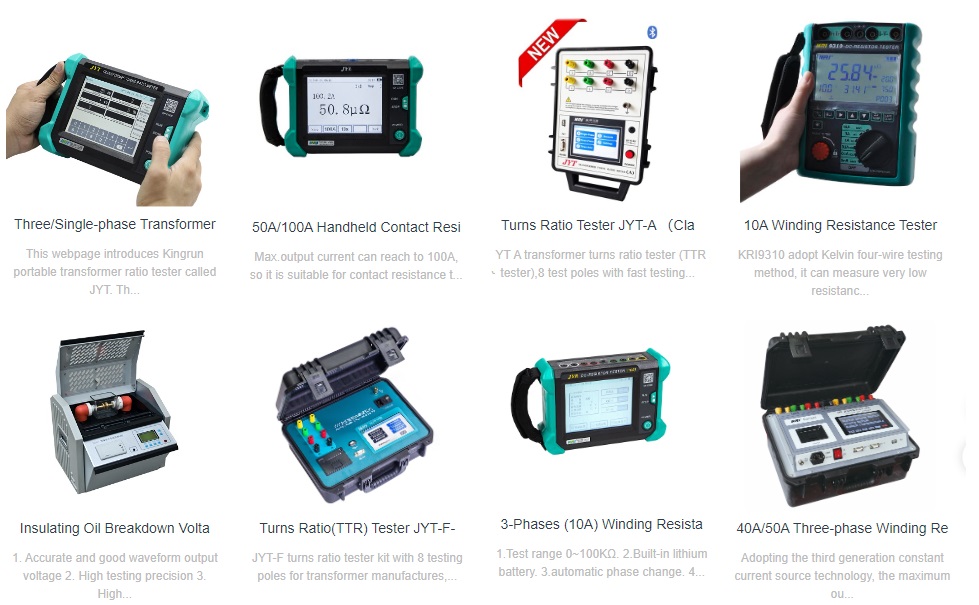
The turns ratio and current ratio of transformers are typically selected based on their rated voltage and current requirements. For different classes of transformers, the calculation methods for the turns ratio and current ratio usually depend on the transformer's application, rated capacity, and specific design requirements. The following are some examples of turns ratios and current ratios corresponding to common transformer classes.
1. Low-Voltage Distribution Transformer (e.g., 0.4kV/10kV, 0.4kV/11kV)
Transformation Ratio: 0.4kV/10kV or 0.4kV/11kVFor example, the transformation ratio of 0.4kV/10kV is 0.4/10 = 1/25
Common transformation ratios: 1:10, 1:11, 1:12, 1:25, etc.
Current Ratio: Inversely proportional to the transformation ratio
The current on the low-voltage side (0.4kV) is approximately 25 times that on the high-voltage side (10kV or 11kV).
For instance, for a 0.4kV/10kV transformer, the current ratio is approximately 25:1, meaning the low-voltage side current is 25 times that of the high-voltage side.
Power Supply for Residential and Commercial Areas
Used to step down the high voltage (e.g., 10kV) from the grid to low voltage (e.g., 0.4kV) to meet the power needs of residential and commercial buildings.
Power Supply for Small Factories and Workshops
Used to supply low-voltage power to small manufacturing units, workshops, and commercial facilities, ensuring their operations are powered efficiently.
Street Lighting Systems
Steps down high voltage to low voltage for supplying power to street, park, or public space lighting.
Transformation Ratio: 6kV/35kV or 6kV/66kV
For example, the transformation ratio of 6kV/35kV is 6/35 ≈ 1/5.83
Current Ratio: Inversely proportional to the transformation ratio
For instance, for a 6kV/35kV transformer, the current ratio is approximately 5.83:1, meaning the low-voltage side current is 5.83 times that of the high-voltage side.
Power Supply for Industrial Parks and Commercial Centers
Used to provide stable power supply for medium-scale industrial parks, large factories, and commercial complexes, catering to higher power demands.
Medium-Voltage Power Distribution Systems
Used to step down high voltage for regional power distribution networks, ensuring reliable electricity supply to urban and surrounding communities.
Power Supply for Transportation Infrastructure
Used to provide power to electric transit systems such as trams, subways, and light rail, ensuring smooth operations of transportation networks.
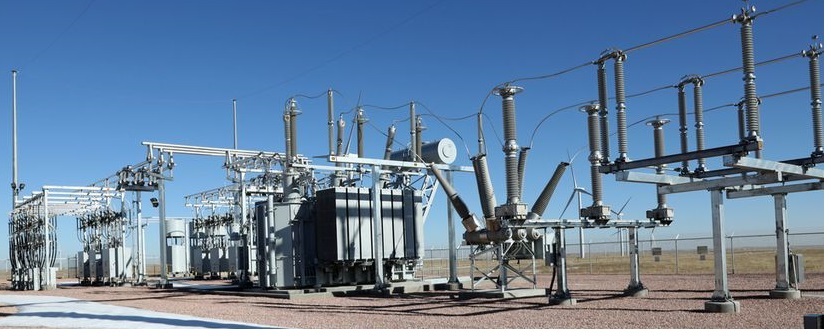
Transformation Ratio: 110kV/10kV or 220kV/10kV
For example, the transformation ratio of 110kV/10kV is 110/10 = 11
Current Ratio: Inversely proportional to the transformation ratio
For example, for a 110kV/10kV transformer, the current ratio is approximately 11:1, meaning the high-voltage side current is 11 times that of the low-voltage side.
Power Substations
Used in power substations to step down high voltage (e.g., 110kV or 220kV) to levels suitable for regional distribution networks, ensuring the stability of the power grid.
Power Supply for Large Industrial Facilities
Supplies high-voltage power to large-scale industrial plants, such as steel mills, chemical plants, and cement factories, which have high power consumption.
Power Supply for Data Centers
Provides high-voltage power to large data centers and telecommunication rooms, ensuring uninterrupted operation of critical infrastructure.
Transformation Ratio: 330kV/220kV or 500kV/220kV
For example, the transformation ratio of 330kV/220kV is 330/220 ≈ 1.5
Current Ratio: Inversely proportional to the transformation ratio
For example, for a 330kV/220kV transformer, the current ratio is approximately 1.5:1, meaning the high-voltage side current is 1.5 times that of the low-voltage side.
Long-Distance Power Transmission
Used for long-distance power transmission, especially for reducing losses in high-voltage power transmission over vast distances, improving transmission efficiency.
Regional Power Dispatch Centers
Used in regional power dispatch systems to facilitate voltage conversion, supporting power distribution across large areas, especially across provinces or regions.
Power Supply for Large Industrial Enterprises
Provides power for heavy industrial sectors such as mining, metallurgy, and energy production, supporting the energy-intensive operations of large factories.
Transformation Ratio: 1000kV/500kV
For example, the transformation ratio of 1000kV/500kV is 1000/500 = 2
Current Ratio: Inversely proportional to the transformation ratio
For example, for a 1000kV/500kV transformer, the current ratio is approximately 2:1, meaning the high-voltage side current is 2 times that of the low-voltage side.
International Power Transmission
Used for ultra-long-distance power transmission, particularly in cross-border or intercontinental transmission projects, such as large-scale regional grids across countries.
National Grid Backbone
Forms the backbone of a national power grid, providing efficient, large-scale power transmission and distribution across vast geographic areas.
Power Output from Large Power Plants
Steps down the high voltage from large power plants (e.g., nuclear, thermal) for transmission into the grid, supporting the overall electricity supply system.
These transformers' transformation and current ratios determine their suitability for various applications. By correctly selecting the transformation and current ratios, power can be efficiently transmitted and distributed in different voltage and current requirements, from residential use to national power grids. Transformers play a crucial role in ensuring the stable and safe operation of electrical systems across various sectors.
Kingrun Transformer Instrument Co.,Ltd.
More Transformer Testers from Kingrun