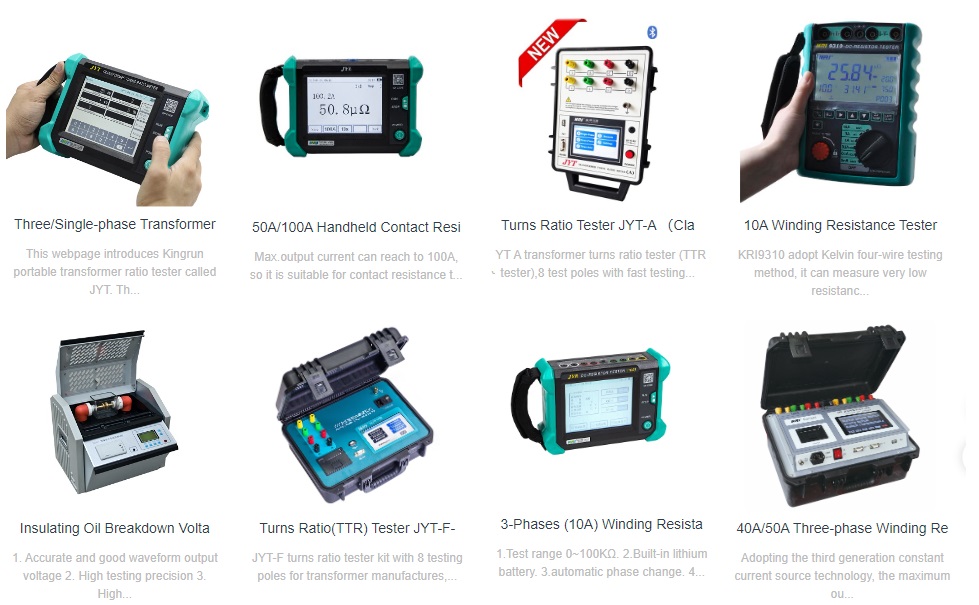
As the cornerstone of power systems, the operational reliability of transformers is directly linked to the safety and stability of the entire electrical grid. To help engineers and technicians systematically master the complexities of transformer testing, we are launching a deep-dive series titled "The Complete Guide to Transformer Testing." Based on industry-leading standards and practices — this series will be presented in four comprehensive installments.
In this first installment, we will focus on three fundamental routine test items that form the bedrock of transformer diagnostics: Turns Ratio Test, DC Winding Resistance Measurement, and the Opern Circuit (No-Load) Test.
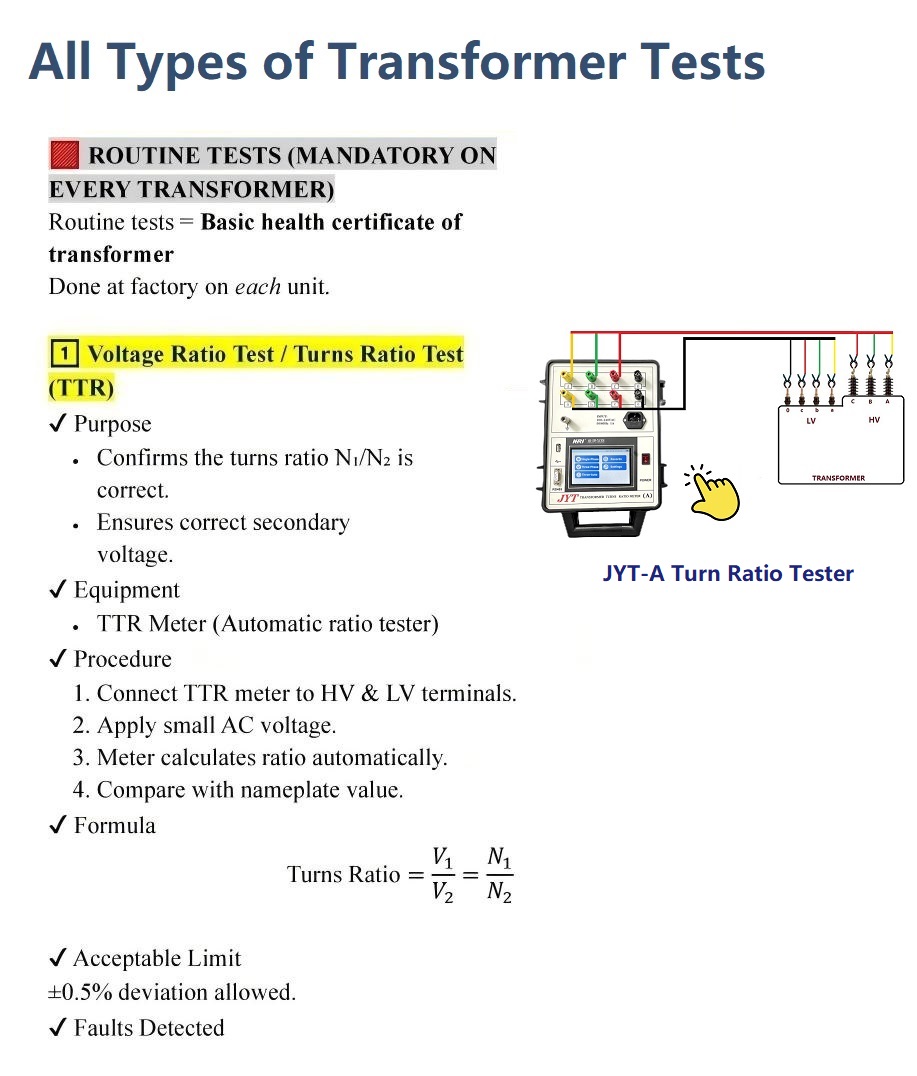
Turns Ratio Test: This is the primary defense for verifying that the winding turns meet design specifications and that the tap changer is in the correct position. Utilizing high-precision turns ratio meters allows us to identify internal defects such as shorted turns or incorrect tap connections early on.
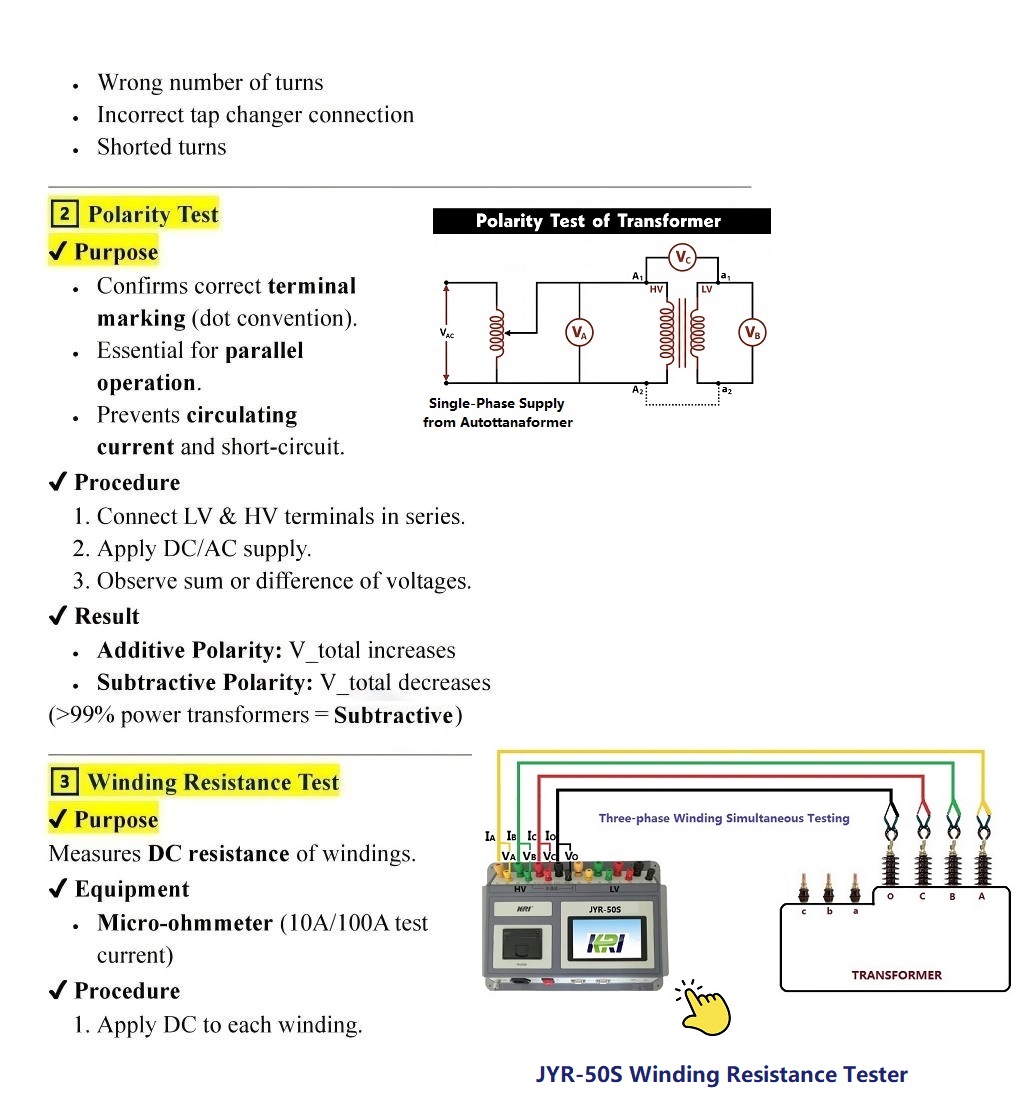
DC Winding Resistance Measurement: This test is designed to inspect the quality of winding wire welds, the connection integrity between leads and bushings, and the contact performance of tap changers. It remains the most sensitive method for detecting potential internal connection hazards.
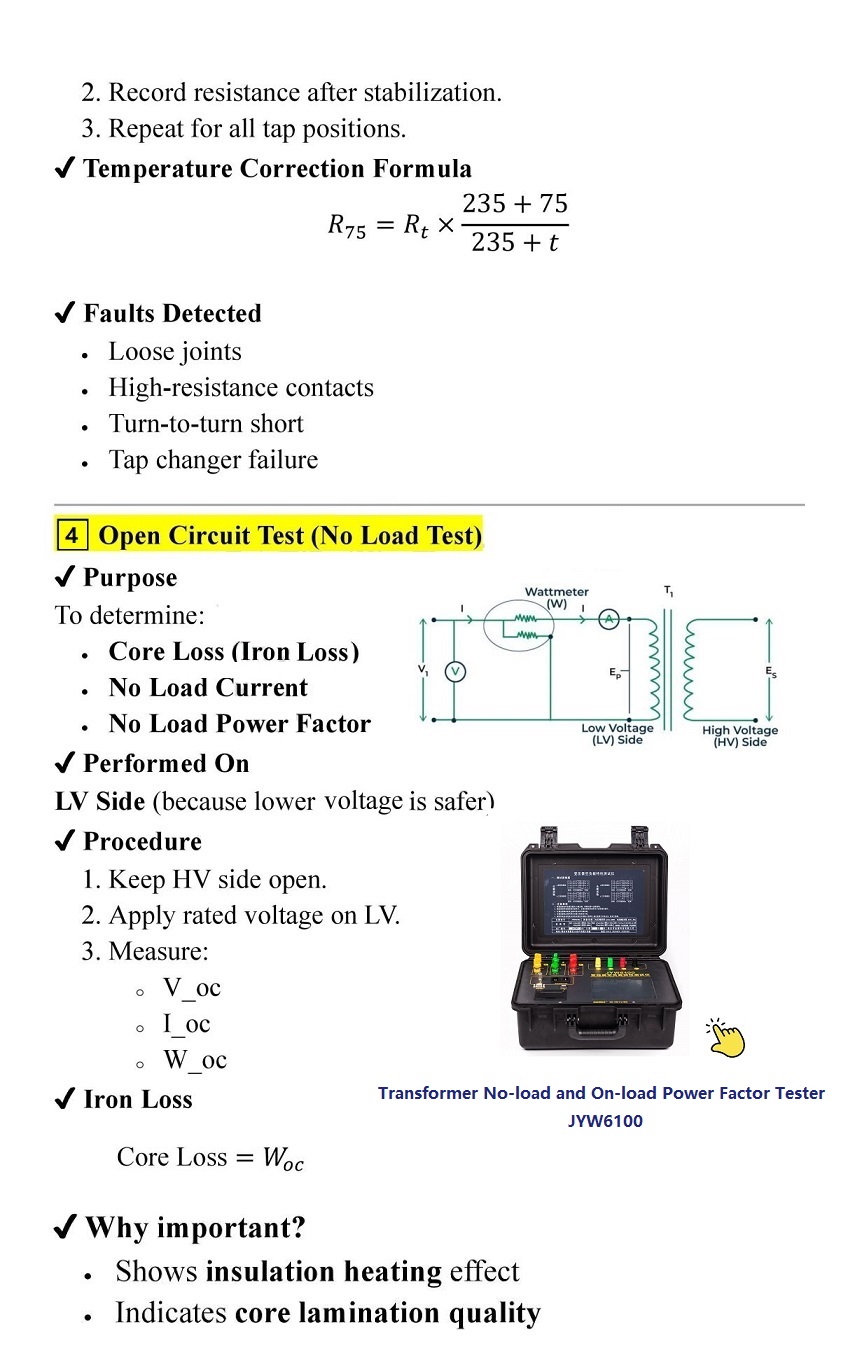
Opern Circuit (No-Load) Test: By measuring no-load loss and no-load current, we can effectively evaluate the magnetization characteristics and loss indicators of the magnetic core. This is crucial for identifying core-related issues such as local short circuits or insulation aging within the core laminations.
Stay tuned for the next parts of our series!
Kingrun Transformer Instrument Co.,Ltd.



More Transformer Testers from Kingrun