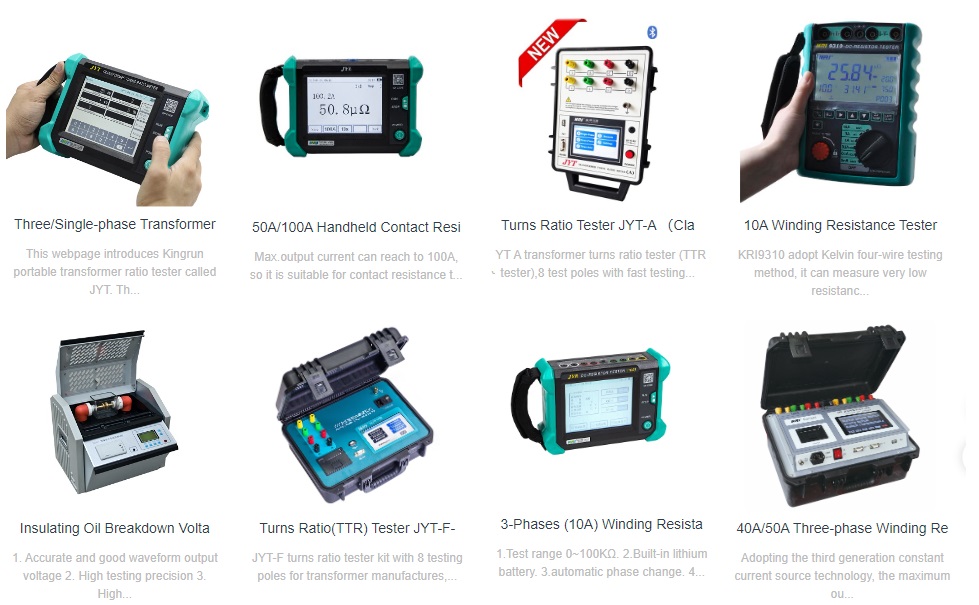
In the operation and maintenance of power systems and transformer manufacturing, TTR (Transformer Turns Ratio) testers, DC resistance testers, and oil dielectric strength (BDV) testers are core diagnostic tools. They directly impact the precision of test data and the safety of the equipment. While selecting suppliers online is undoubtedly one of the most convenient and efficient methods, the abundance of e-commerce and social media channels has led to inconsistent quality and pricing. How do you choose a reliable supplier? By mastering the following five points, you can avoid pitfalls and select a partner that balances practicality with professionalism.
First, verify the professionalism of the official website. A qualified supplier must have a standardized official website that focuses exclusively on the field of transformer testing instruments, without unrelated products. The website should feature clear categories, such as TTR testers, DC winding resistance testers, and insulating oil testers. Product pages must be well-structured with complete specifications, such as defining the turns ratio error detection capability of TTR testers, the output current levels (e.g., 10A, 20A, 40A, 50A) and corresponding resistance ranges for DC resistance testers, and the breakdown voltage, voltage boost rates, and compliance with international standards for oil testers. Furthermore, the product pages should provide third-party certifications and comprehensive test reports (such as ISO, CE, SGS, etc.). The technical articles on the site must offer accurate viewpoints and detailed data, reflecting a professional understanding of transformer measurement applications.
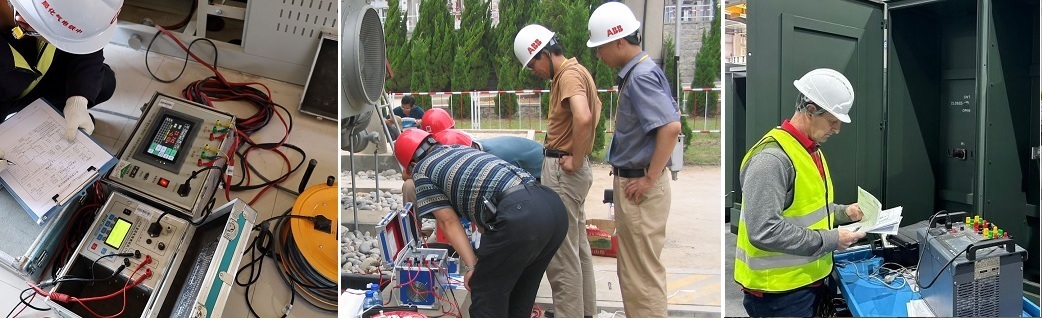
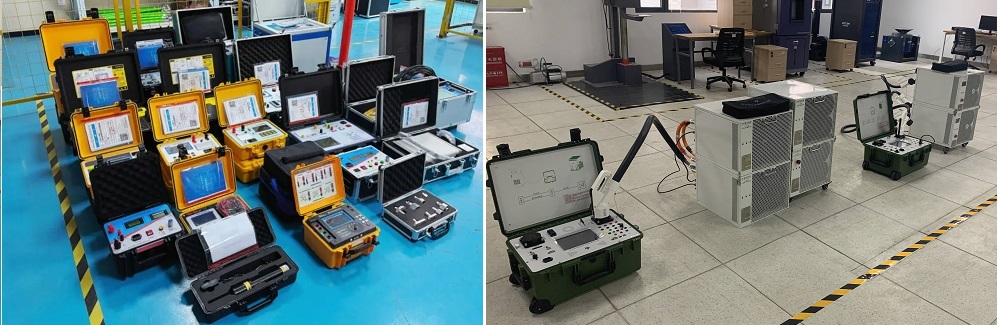
Second, confirm the market recognition of the instruments. High-quality instruments are invariably recognized by end-users. A supplier should be able to provide Purchase Order (PO) references and on-site testing photos, particularly endorsements from well-known power utilities or transformer manufacturers. For instance, look for cases showing TTR testers in substation commissioning, field feedback from DC resistance testers used in troubleshooting winding faults, or performance evaluations of oil testers in power plant oil quality inspections. These authentic proofs indicate that the instruments are stable, adaptable to actual needs, and have high market credibility.
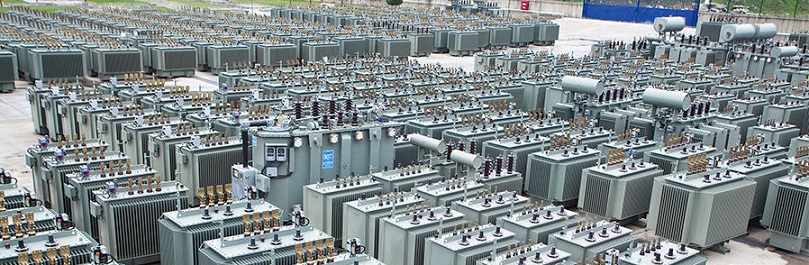
Third, focus on the stability of Google rankings. Unlike purely commercial sites like Amazon or eBay, the official websites of high-quality suppliers often maintain stable and high organic rankings on Google. This stems from long-term dedication and expertise in a specific niche—transformer testing is no exception. If a manufacturer’s website provides professional and valuable content, such as selection guides, operation manuals, and troubleshooting tips for TTR, DC resistance, and oil testers, user dwell time will naturally be longer and bounce rates lower. Google’s algorithms identify these as high-quality websites, making such suppliers more reliable. Generally, suppliers appearing within the first three pages of Google search results are considered more credible.

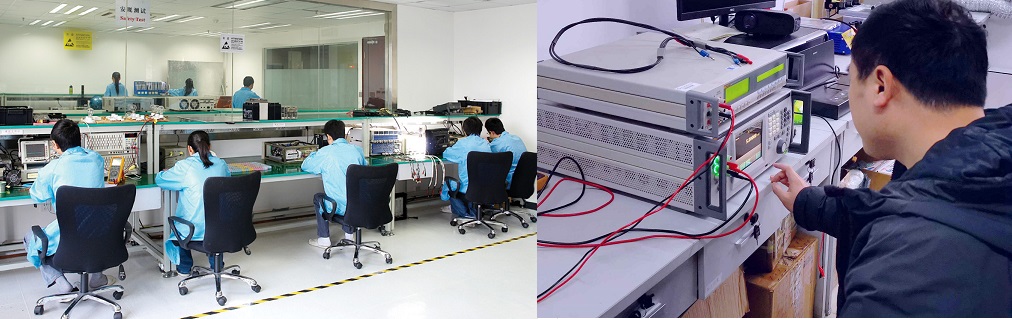
Fourth, examine independent R&D capabilities. A qualified supplier must possess independent R&D strength to adjust product parameters according to market demands and adapt to harsh testing scenarios. For example, for high-volume testing tasks, the DC resistance tester should utilize a constant current source to keep the output current fluctuation rate below 0.01%, thereby improving measurement accuracy. For new energy applications like wind power transformers, they might optimize the anti-corrosion design of oil testers. To simplify procedures for customers, they may add "blind test" functions to TTR testers or enhance the anti-interference capability against power-frequency noise in high-interference environments, ensuring better adaptation for ratio and resistance measurements.
Fifth, prioritize after-sales support and technical response efficiency. After-sales technical support for transformer testers is critical, whether it involves parameter debugging for TTR testers, fault diagnosis for DC resistance testers, or routine maintenance for oil testers. Rapid response is essential. Efficient after-sales service not only resolves operational difficulties promptly but also reflects the supplier's professional management level, preventing equipment failure from delaying testing schedules. If a supplier's website lists dedicated technical contact information, such as "tech@" or "support@" emails, it significantly enhances the supplier's trustworthiness.
In summary, when selecting a transformer tester supplier online, focusing on these five dimensions—website professionalism, market recognition, Google ranking, R&D capability, and after-sales response—while considering the actual application scenarios of TTR, DC resistance, and oil testers, will allow you to precisely screen for a qualified and reliable partner to safeguard the maintenance, commissioning, and factory testing of power transformers.
Kingrun Transformer Instrument Co.,Ltd.

More Transformer Testers from Kingrun