Imagine you're buying a car. One is cheap but guzzles fuel. Another is expensive but efficient. Over time, the fuel costs may outweigh the price difference.
 That's exactly what loss capitalization does for power transformers.So, instead of just looking at the purchase price, smart utilities and engineers evaluate:
 Why it matters:
Proper loss capitalization helps make decisions that save millions in operational costs — especially in large utilities and energy-intensive industries.
Kingrun Transformer Instrument Co.,Ltd.


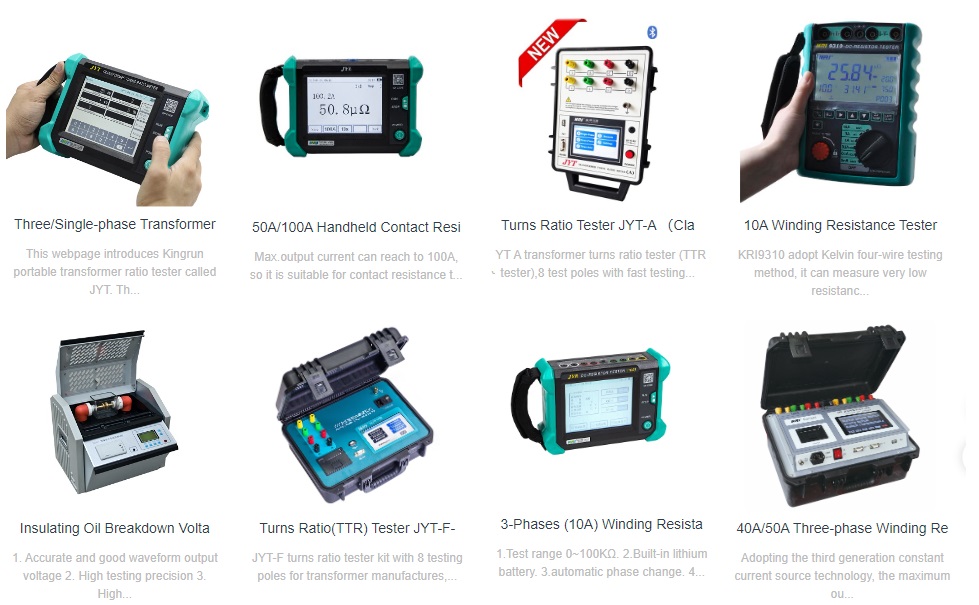
More Transformer Testers from Kingrun