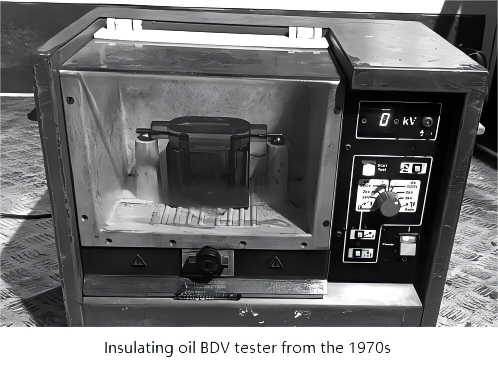
Transformer oil breakdown voltage (BDV) testing is a method to measure the insulation strength of transformer oil by applying high voltage using a testing device. In the early 20th century, BDV testing was a hazardous manual operation. Early equipment used large, exposed high-voltage step-up transformers connected to a simple spark gap immersed in an oil cup.There were no automatic control devices; operators had to manually turn heavy rheostats or "variable transformers" to increase the voltage until a visible and audible arc broke down the oil layer. These devices were housed in thick cast iron or wooden enclosures, lacking the safety interlocks that are common today.
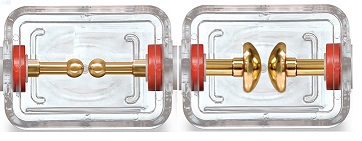
By the 1950s and 1960s, electrode shapes (such as VDE or ASTM spherical electrodes) were standardized in the industry. Testers became more portable, integrating the transformer and oil cup into a "briefcase" design, but still relied on analog meters and manual timing.The digital era transformed BDV testers into "set-and-forget" devices. Modern testers use microprocessors to precisely control the voltage rise rate, detect breakdowns in microseconds, and automatically stir the oil between tests. Today's devices are extremely lightweight and come equipped with built-in printers and Bluetooth functionality.
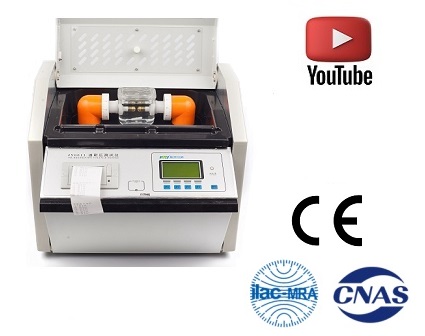
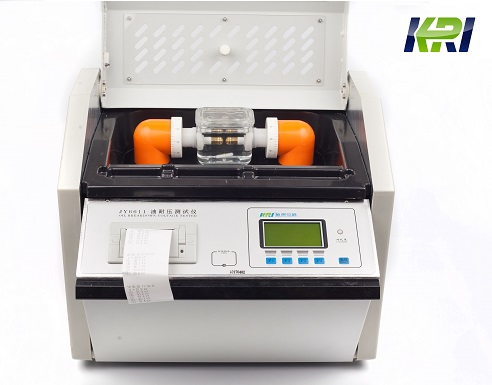
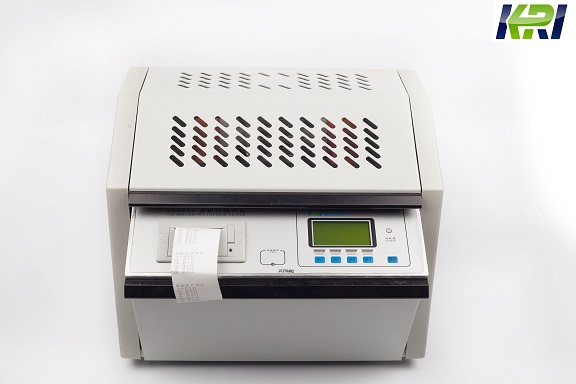
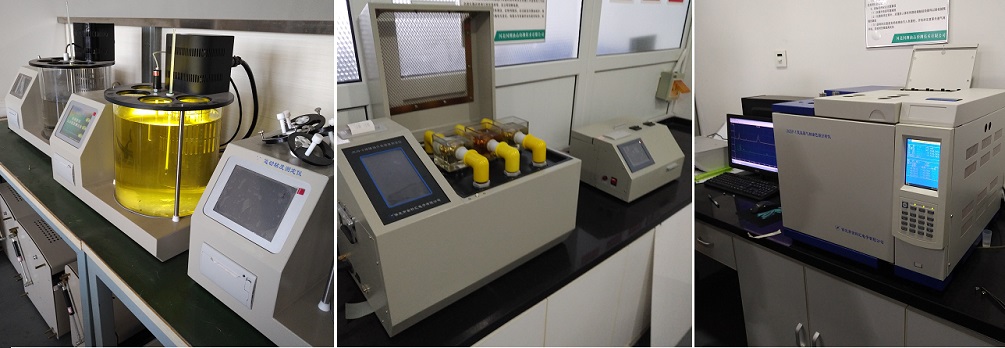
Kingrun’s full automatic transformer oil breakdown voltage tester(JY6611 transformer oil BDV tester) is designed according to International Electrical Commission(IEC-156:1995) . The system applies microcomputer control, mechanical-electrical integration and full automation, testing accuracy is high, which completely overcomes the problem of the similar product that is easy to be breakdown under high voltage. The system has the function of automatic detection, automatic stirring, automatic handling, automatic printing, data storage, calendar etc and the advantage of electric-mechanic interlocking protection, grounding protection etc. It is also characterized with high testing accuracy, convenient operation, safety and reliability.
The JY6611 insulating oil breakdown voltage tester adopts a completely new electromagnetic compatibility (EMC) concept designed to prevent tester crashes during testing and ensures it can operate effectively in high magnetic fields.
The JY6611 also uses advanced voltage breakdown control technology, which keeps breakdown energy at a very low level. This prevents contamination of the oil sample during testing and ensures the test results are accurate and reliable.
The unique advantage of this tester lies in its built-in electronic boost system. The voltage regulation power supply uses an electronic inverter sine wave generator, providing accurate voltage output with high waveform quality. It is not affected by grid voltage fluctuations or waveform distortion, making the test data more accurate and efficient. The built-in advanced insulating material and heat dissipation system ensure that the step-up transformer remains stable and reliable, allowing the tester to withstand long-term high-voltage breakdown tests. This design protects operator safety and extends the service life of the tester

Feature:
1. Reliable testing processing:JY6611 oil cup is made by new material with high strength and long service life to avoid fragile and leakage problem during testing.
4. Complete protection system:
JY6611 has a variety of protection devices which will make sure the safety of operator and tester itself in accident like inferior oil breakdown voltage and empty cup breakdown.
5. Multiple international testing standards
Fully automatic test sequences for 12 common test standards around the world and spot tests(Standard: ASTM D877 & ASTM D1816, IEC 60156)
6. International universal stainless steel calipers
Precise adjustment of standard electrode distances
7. Overall shielding technology
Perfect overall shielding technology can prevent all sources of electronic interference to ensure a pure test environment
8. Provide multilingual technical instructions
Provide English operation page and operation instructions in 15 languages
TECHNOLOGY SPECIFICATION:
|
Model |
JY6611 Oil Breakdown Voltage (BDV) tester |
|
Output Voltage Range |
0~80kV / 100kV |
|
Voltage Resolution |
0.1 kV |
|
Measurement Accuracy |
±2% of Reading ±0.2 kV |
|
Voltage Ramp Rate |
1.0 /2.0 /3.0 kV/s (selectable) |
|
Trip Time at Breakdown, ms |
≤ 1ms |
|
Test Repetitions |
1~6 (selectable) |
|
Applicable Standard |
IEC 60156 / ASTM D877 / ASTM D1816 / VDE0370 |
|
Result Storage Capacity |
30 groups |
|
Oil Cup Capacity |
400ml / 200ml |
|
Electrode Gap |
2.5 mm (adjustable) |
|
Operation Temperature |
0℃~40℃ |
|
Operating Relative Humidity |
≤ 80%RH, No Condensation |
|
Power Supply Requirement |
AC220V±10%, 50Hz±1% |
|
Dimensions / Weight |
Length 385 mm Width 300 mm Height 360 mm / 22kgs |


Insulating Oil BDV Testing Procedure:
1. Collect the oil sample using a clean and dry sampling bottle at the transformer’s sampling valve.
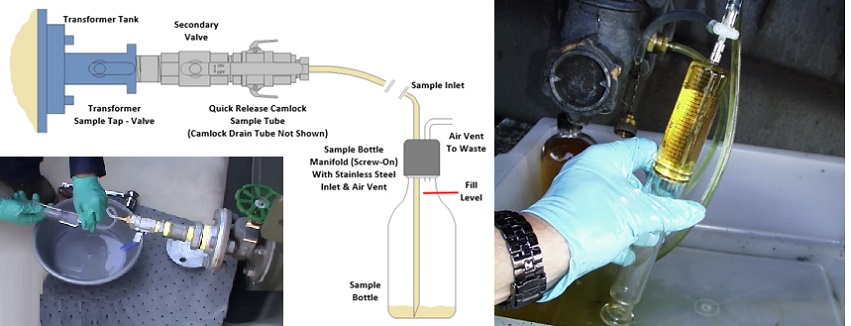
2.Clean and dry the oil test cup, standard electrode gauge, stirring glass rod, and the glass cover plate.Ensure that no moisture, fibers, or
residue remain on any component. The sampling valve shall be cleaned, dried, and flushed before sampling.The insulating oil should be
cooled and stabilized at 27°C ± 2°C prior to testing.
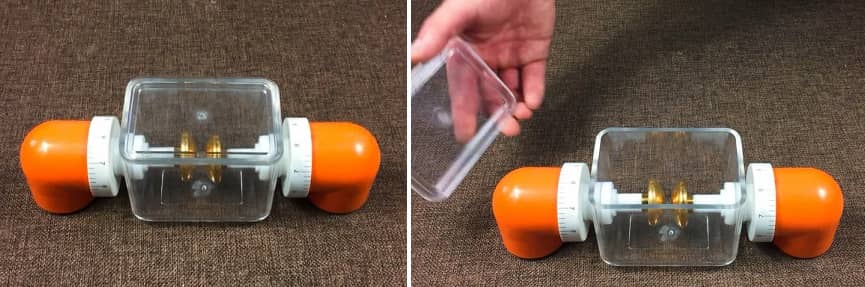
3. Rinse the test cup three times with the sample oil.
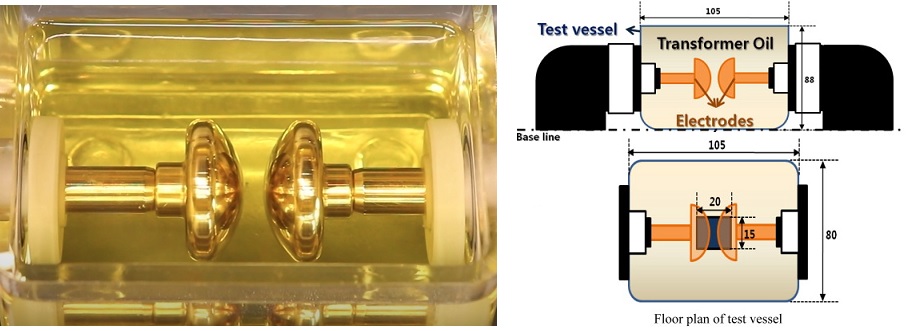
Use the electrode gauge to adjust the electrode gap to 2.5 mm ± 0.1 mm (per IEC 60156 / ASTM D1816).Slowly pour the sample oil along the
stirring glass rod to avoid air entrapment.Fill the cup until the oil level is at least 10 mm above the electrodes. Cover the cup with the glass plate
and allow it to stand for 10–15 minutes to release any entrained air bubbles.
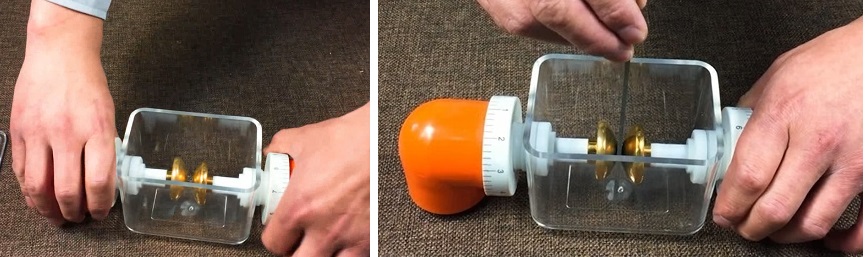
4. then slowly inject the test oil into the oil cup along the stirring glass rod until it is ≥10 mm above the electrode, then cover the glass cover
and let it stand still for 15 minutes to make the air bubbles in the oil overflow.
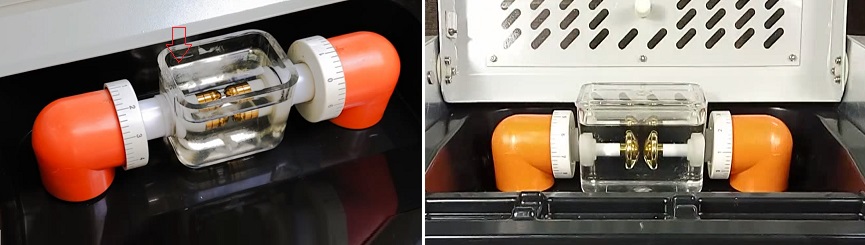
5. Run the BDV test:
Power on the BDV tester and apply voltage continuously and uniformly at a rate of 3–5 kV/s.
Increase the voltage until breakdown occurs between the electrodes, and the tester trips (overcurrent or breakdown detection circuit activates).
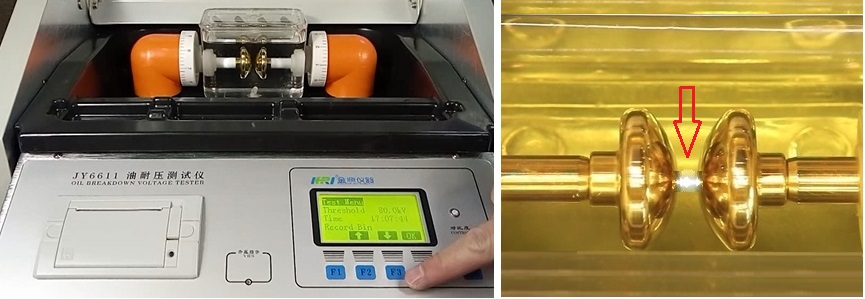
6. The tester will repeat the breakdown sequence and perform a total of six breakdown tests with the same sample.
(Some countries and customers prefer to discard the first breakdown value, considering it a conditioning cycle, as the initial breakdown helps
remove fine particles on the electrode surface and release nearby air bubbles, resulting in a more uniform local electric field. In our procedure,
however, we use all six breakdown values.)
Calculate the average of the remaining five breakdown values as the final BDV result(see the table below)
The test oil sample is laboratory-grade oil and is for reference only.
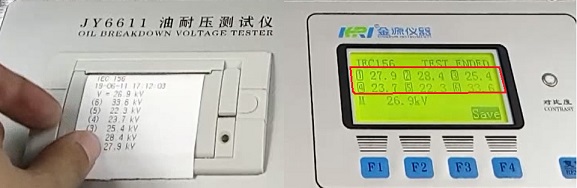
7. Evaluate the result:
If the insulating oil BDV value is ≥ 30 kV (for a 2.5 mm IEC test cell), the transformer oil is considered to be in good dielectric condition.
Lower values indicate contamination or deterioration and may require oil filtration or replacement.
|
Oil Sample No. |
Sample Test No. |
BDV Value (KV) |
Average BDV (KV) |
Oil BDV Value(KV) |
|
1 |
1 |
27.9 |
(27.9+28.4+25.4+23.7+22.3+33.6)/6 |
26.89 |
|
2 |
28.4 |
|||
|
3 |
25.4 |
|||
|
4 |
23.7 |
|||
|
5 |
22.3 |
|||
|
6 |
33.6 |


Kingrun Transformer Instrument Co.,Ltd.




transformer oilltage breakdown t
What is the Breakdown Voltage/Dielectric Breakdown (BDV) of Transformer Insulating Oil?
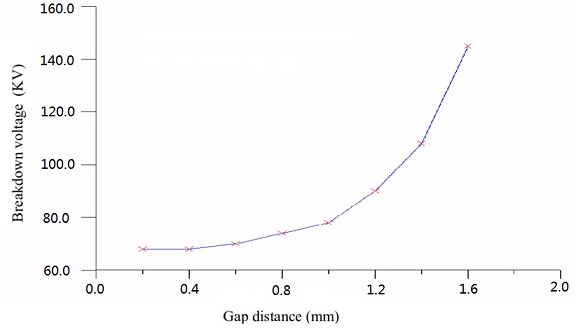
When a voltage is applied to the insulating oil, as the voltage increases, the current through the oil increases sharply, causing it to completely lose its inherent insulating properties and become a conductor. This phenomenon is called breakdown of the insulating oil. The critical voltage value at which the insulating oil breaks down is called the breakdown voltage or dielectric breakdown. The electric field strength at this time, called the dielectric strength of the oil, indicates the ability of the insulating oil to resist the electric field. The relationship between the breakdown voltage U (kV) and the dielectric strength E (kV/cm) is: E=U/d"
d"=The distance between the electrodes (cm).
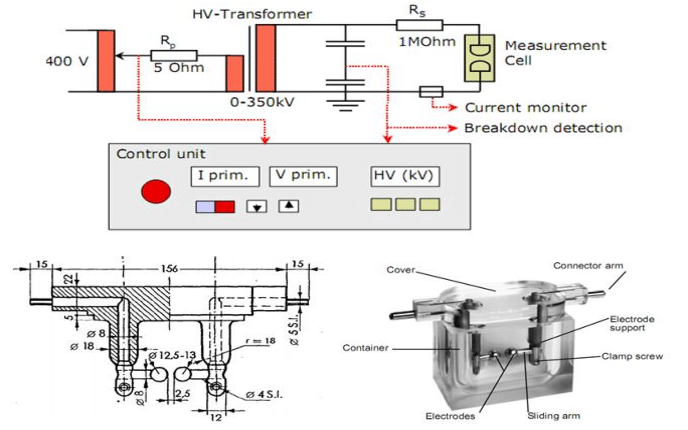
Pure insulating oils have different breakdown mechanisms than insulating oils, which usually contain impurities.
The breakdown of the former is caused by the liberation, which can be explained by the mechanism of gas dielectric breakdown, that is, under high electric field strength, oil molecules collide and become free ions and electrons, thereby forming electron collapse. The electron collapses toward the anode, and the accumulated positive charge collects near the cathode, eventually forming a channel with high conductance, resulting in breakdown of the insulating oil.
Generally, insulating oils always contain more or less impurities, and in this case, impurities are the main cause of breakdown of insulating oil. The dielectric coefficient ε of water droplets, fibers and other mechanical impurities in oil is much larger than that of oil (ε=7 of fiber, ε=80 of water, and ε≈2.3 of transformer oil), so under the action of electric field, impurities It will be attracted to a region where the electric field strength is large, and an impurity "small bridge" is formed between the electrodes, thereby reducing the breakdown strength of the oil. If there are enough impurities, it can also constitute a "small bridge" that penetrates the gap of the electrode, and a large leakage current flows through it, causing it to generate heat, and partially boiling and vaporizing the oil and water, as a result, the breakdown is along the "air bridge."
Why is the transformer oil breakdown voltage test very important?
Insulating oil is widely used in liquid-filled high-voltage electrical equipment, such as power transformers, distribution transformers, transformers, bushings, oil-filled circuit breakers, oil-filled cables, oil-filled capacitors, etc. Insulating oil also acts as a coolant to dissipate electrical heat in the device. Therefore, the insulating oil should have good thermal conductivity and chemical stability at high temperatures, so before the insulating oil causes internal arcing or complete equipment failure, regular oil withstand voltage testing of transformers is an important preventive measure that will help keep the high-voltage equipment running normally, otherwise it will cause transformer failure or even casualties.
ASTM D1816, ASTM D877, and IEC 60156 are some of the popular standards that specify the dielectric strength or breakdown value and breakdown procedure for testing oil samples. The test procedure is to take a sample of insulating oil from the oil drain valve of the transformer and measure its breakdown voltage, the test voltage is applied to the electrodes immersed in the insulating oil at a constant, standard slew rate (eg 2kV/sec. The test can be carried out five to six times, and the average value of these readings can be considered as the breakdown voltage of the insulating oil under test.
The dielectric breakdown or breakdown voltage of the insulating oil should not be lower than the specified value of the recommended value. If the breakdown voltage is close to the specified limit, the sample must be subjected to further diagnostic tests such as oil resistivity and dielectric dissipation factor (tan delta) tests. As per IEEE standard, it is recommended that oil breakdown voltage tests be performed twice a year.
Related Articles:
What Test Items are Required for 110kV/220kV Substation Acceptance and Maintenance Testing?
What Tests Must be Done before the Transformer Leaves the Factory?
Main Factors Affecting the Operating Life of Transformers
What is the Purpose of Measuring the DC Resistance of the Transformer Winding?
Points to note in transformer oil breakdown voltage (BDV) test
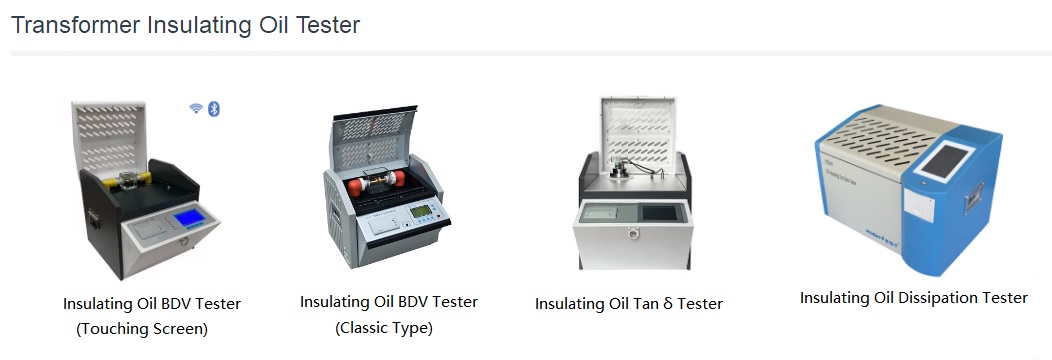
More Transformer Testers from Kingrun